Understanding The Renal Profile
The Renal Profile, also widely known as Kidney Function Tests, is a vital set of medical evaluations designed to assess how efficiently your kidneys are working. These tests are essential for diagnosing kidney diseases, monitoring kidney health in people with chronic conditions like diabetes and high blood pressure, and evaluating the response of the kidneys to treatment. Given that the kidneys perform crucial life-sustaining roles -filtering waste from the blood, maintaining fluid and electrolyte balance, and producing important hormones - a comprehensive Renal Profile provides invaluable insight into overall health.
The Importance of Your Kidneys:
Your kidneys are two bean-shaped organs located toward the back of your abdomen. They act as the body's sophisticated filtration system.
Every day, they filter about 120 to 150 quarts of blood, producing 1 to 2 quarts of urine, which carries waste products and excess fluid out of the body.
Beyond waste filtration, the kidneys are responsible for:
Balancing Electrolytes and Fluids: Regulating the levels of essential minerals like sodium, potassium, and calcium.
Regulating Blood Pressure: Producing hormones that help control blood pressure.
Red Blood Cell Production: Producing erythropoietin, a hormone that stimulates bone marrow to produce red blood cells.
Bone Health: Activating Vitamin D, which is necessary for maintaining strong bones and healthy muscles.
When kidney function declines, waste and fluid can build up in the body, leading to serious health issues. The Renal Profile is the primary tool used to catch these issues early.
Components of the Renal Profile:
A typical Renal Profile often involves blood and/or urine samples and generally focuses on assessing the Glomerular Filtration Rate (GFR) and the levels of specific substances that the kidneys should be clearing. Key measurements included in this panel are:
Estimated Glomerular Filtration Rate (eGFR): The eGFR is arguably the most important metric of kidney function. The glomeruli are tiny filters within the kidneys that clean the blood. The GFR measures the volume of blood filtered by the glomeruli per minute. It is calculated using a formula that takes into account factors such as serum creatinine levels, age, sex, and sometimes weight and height. A normal eGFR for adults is typically 90 mL/min/1.73m² or higher. A persistently low eGFR indicates kidney damage or chronic kidney disease (CKD).
Serum Creatinine: Creatinine is a waste product generated from normal wear and tear on muscles. It is constantly produced and excreted by the kidneys. When kidney function is impaired, creatinine builds up in the blood. High serum creatinine levels are a strong indicator that the kidneys are not filtering waste efficiently. Because muscle mass can affect baseline creatinine levels, this result is often used in the eGFR calculation for a more accurate assessment.
Blood Urea Nitrogen (BUN): Urea nitrogen is another waste product, formed when protein is broken down. Like creatinine, BUN is filtered out by the kidneys. Elevated BUN levels can indicate kidney problems, but they can also be affected by non-renal factors such as dehydration, a high-protein diet, or certain medications. The ratio of BUN to creatinine can sometimes help physicians differentiate between kidney disease and other causes of abnormal results.
Urine Albumin-to-Creatinine Ratio (uACR) or Proteinuria: While strictly a urine test, it is often included or ordered alongside the blood tests. The presence of excess protein (especially albumin) in the urine (known as proteinuria or albuminuria) is an early sign of kidney damage, even if the eGFR is still relatively normal. Normally, the kidneys prevent large proteins like albumin from escaping into the urine. This test is crucial for screening patients at risk for developing kidney disease, particularly those with diabetes or hypertension.
When Is a Renal Profile Needed?
A healthcare provider may order a Renal Profile for several reasons:
Screening: If you have conditions that increase your risk of kidney disease, such as diabetes, high blood pressure, heart disease, or a family history of kidney failure.
Diagnosis: If you exhibit symptoms of potential kidney problems, including fatigue, swelling (especially in the hands, feet, or ankles), changes in urination frequency (peeing more or less than usual), foamy urine, or unexplained shortness of breath.
Monitoring: To track the progression of known kidney disease or to monitor how well medications used to treat kidney conditions are working.
Medication Management: Before starting certain medications that can affect kidney function, or to adjust the dosage of drugs that are primarily cleared by the kidneys.
The Procedure:
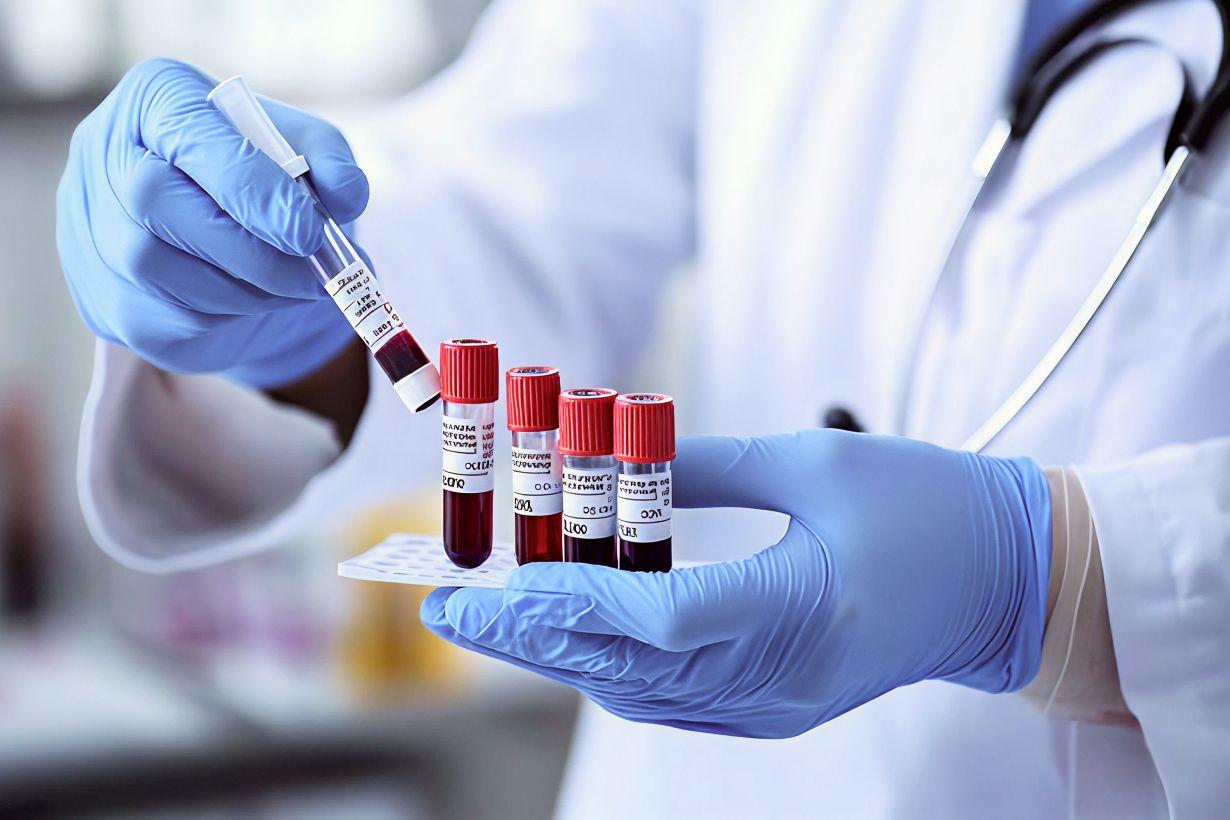
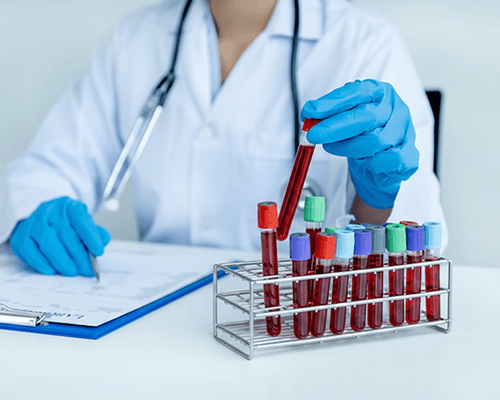
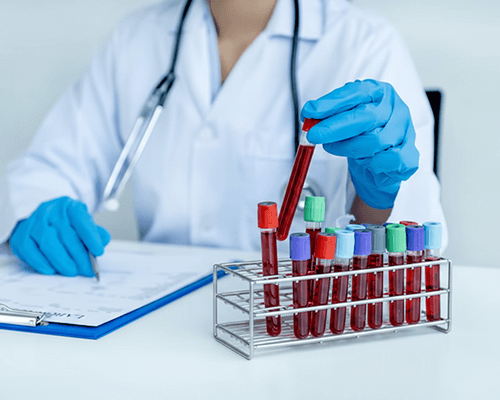
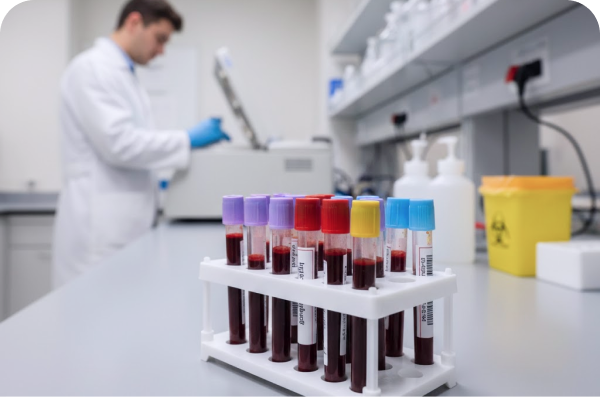
The Renal Profile typically involves a simple blood draw (venipuncture), usually from a vein in your arm. This part of the test is quick and generally well-tolerated. For the eGFR calculation, no special preparation is typically needed.
If a urine analysis (such as the uACR) is ordered, you may be asked to provide a single urine sample or, in some cases, a 24-hour collection, which provides a more comprehensive picture of kidney filtering capacity over a full day.
Interpreting the Results:
Results from a Renal Profile are typically available within a few days. Your healthcare provider will analyze the combination of results to determine your kidney health status.
Potential indications of Kidney Impairment based on test results are:
Low eGFR: Indicates reduced filtering capacity.
High Serum Creatinine: Indicates poor waste clearance.
High BUN (Blood Urea Nitrogen): Can indicate impaired function, dehydration, or dietary factors.
High uACR (Albumin/Protein in Urine): Indicates damage to the kidney filters (glomeruli).
Understanding these results allows for the staging of Chronic Kidney Disease (CKD) if diagnosed, ranging from Stage 1 (mild damage, normal GFR) to Stage 5 (end-stage renal disease, very low GFR). Early detection and management are key to slowing the progression of kidney disease and maintaining quality of life. Regular Renal Profile testing is your best defense against silent kidney damage.
Frequently Asked Questions (FAQs)
What does a Renal Profile Test measure? The test measures critical parameters such as BUN, creatinine, uric acid, and electrolytes to assess kidney function, waste filtration, and metabolic balance. It provides a comprehensive evaluation of renal health.
Who should get a Renal Profile Test? Individuals with symptoms of kidney issues, chronic conditions like diabetes or hypertension, or those undergoing treatments that may affect kidney function should consider a Renal Profile Test. It is also part of routine health checkups for at-risk populations.
Do I need to fast before a Renal Profile Test? Fasting requirements vary depending on the specific parameters being tested. Your doctor will advise you on whether fasting is necessary based on your individual situation.
What do abnormal Renal Profile Test results mean? Abnormal results may indicate kidney dysfunction, electrolyte imbalances, or metabolic disorders. For example, elevated creatinine or BUN levels suggest impaired kidney filtration, while abnormal electrolyte levels point to metabolic disturbances.
How often should a Renal Profile Test be done? The frequency depends on individual health conditions and risk factors. Those with chronic kidney disease, diabetes, or hypertension may need regular testing, while others may require it only as part of routine health checkups.
Can medications affect the results of a Renal Profile Test? Yes, medications like diuretics, NSAIDs, or certain antibiotics can influence test results. Inform your doctor about all medications and supplements you are taking for accurate interpretation.
Is the Renal Profile Test painful? The test is minimally invasive. You may feel slight discomfort during the blood draw, but the procedure is quick and typically painless. Providing a urine sample is entirely non-invasive.
Can the Renal Profile Test detect early-stage kidney disease? Yes, the test is effective in detecting early signs of kidney dysfunction. Regular testing allows for timely interventions that can prevent progression to advanced kidney disease.
What can I do to improve my kidney function? Maintain kidney health by staying hydrated, eating a balanced diet, managing chronic conditions like diabetes and hypertension, and avoiding excessive use of nephrotoxic medications. Regular checkups and prompt treatment of infections are also essential.