

 Made with Levo



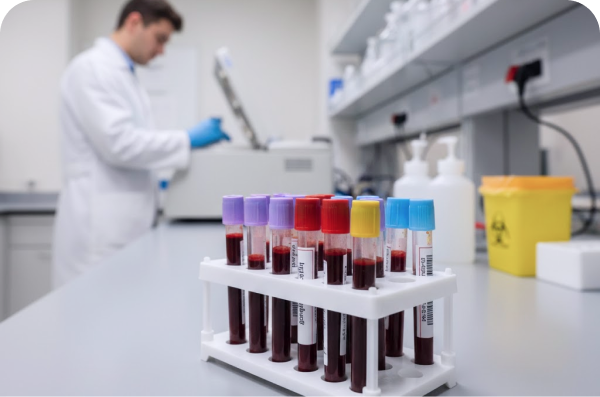


Understanding A Master Health Checkup
A Master Health Check Up is a comprehensive, preventive health screening designed to give you a complete picture of your current health status and help detect potential issues early, often before symptoms arise. Think of it as your body's annual inspection, essential for maintaining well-being and taking proactive steps toward a healthier life.
In today's fast-paced world, many common health conditions, particularly lifestyle-related ones like diabetes, high blood pressure, and high cholesterol, often develop silently. By the time noticeable symptoms appear, the condition may be advanced and more challenging to treat. A Master Health Check Up is specifically designed to intercept these warning signs at an early stage, when intervention is most effective. This proactive approach significantly boosts your chances of early detection, complete recovery from illnesses, and guides you in making informed lifestyle choices.
What is a Master Health Check Up?
A Master Health Check Up typically bundles a wide array of tests and screenings into a single, comprehensive package. It simplifies the process of monitoring your well-being by providing a thorough examination that assesses the health and function of multiple vital systems and organs, including the heart, lungs, liver, and kidneys.
The specific components of a Master Health Check Up can vary between providers, but they are generally structured to cover the most critical indicators of overall health. The process often begins with a discussion of your medical history, family health history, and current lifestyle factors such as diet, physical activity, weight, and any substance use. A physical examination, including checking vital signs like blood pressure and heart rate, is also standard.
Key Components and Tests Included
The core of the Master Health Check Up lies in the laboratory and imaging tests. These screenings provide objective data about your internal health.
1. Blood Profile Tests:
These are foundational and yield insights into metabolism, organ function, and overall blood health.
Complete Blood Count (CBC): Measures key blood components such as hemoglobin, hematocrit, and platelet count, helping to screen for conditions like anemia, infection, and other blood disorders.
Comprehensive Metabolic Panel (CMP): Assesses your metabolism, and the function of your liver and kidneys. This includes measurements for glucose, liver enzymes, and kidney function markers.
Lipid Profile Test: Crucial for assessing cardiovascular risk, this panel measures cholesterol levels (Total, LDL, HDL) and triglycerides. High levels can indicate a risk of heart disease.
Blood Glucose Test (and HbA1c): Screens for diabetes and pre-diabetes. The HbA1c test gives an average blood sugar level over the past few months.
Thyroid Function Test: Measures thyroid hormone levels to check for hyperthyroidism or hypothyroidism, which can impact metabolism and energy.
Electrolyte Panel: Checks the balance of electrically charged minerals (like sodium and chloride) that help regulate fluid and acid-base balance.
Vitamin D and B12 Tests: Screen for common vitamin deficiencies that can affect bone health, energy levels, and neurological function.
2. Urine and Stool Analysis:
Urine Analysis (Routine): Detects possible infections, renal issues, or signs of diabetes.
Stool Analysis (Routine): Screens for digestive issues or internal bleeding.
3. Imaging and Physical Assessments:
Chest X-Ray: Provides images of the heart and lungs to look for signs of infections or other abnormalities.
USG Abdomen (Ultrasound): Examines the internal organs in the abdomen, such as the liver, gallbladder, and kidneys, to assess their structure and health.
Electrocardiogram (ECG/EKG): Records the electrical activity of the heart to detect any irregularities or signs of heart stress.
Audiogram: Checks for hearing ability.
Depending on the specific package, further specialized screenings may be included based on age, gender, and risk factors, such as the Prostate Specific Antigen (PSA) test for men, cancer screening tests, or specialized hormone testing.
Why Is an Annual Master Health Check-Up Essential?
The benefits of incorporating a Master Health Check Up into your annual routine are significant and far-reaching:
1. Early Detection of Critical Diseases: This is the primary and most vital benefit. By identifying diseases like cancer, heart disease, or chronic kidney disease in their nascent stages, treatment options are typically broader, less invasive, and more successful.
2. Management of Lifestyle Conditions: The results provide concrete data on factors like cholesterol and blood sugar, enabling you and your healthcare provider to manage and prevent prevalent lifestyle health conditions before they require aggressive intervention.
3. Peace of Mind: Knowing your current health status provides mental comfort and allows you to address health concerns proactively rather than reactively.
4. Personalized Health Guidance: The detailed analysis guides you toward making better, personalized decisions regarding your diet, exercise routine, and overall healthcare plan.
For individuals over the age of 25, a yearly checkup is often recommended, with frequency potentially increasing with age or if specific health risks are present.
Taking the Proactive Step
A Master Health Check Up is a valuable investment in your future health. It moves beyond treating sickness and focuses on prevention and wellness. It’s a powerful tool that, when utilized annually, helps you maintain vigilance over your well-being, ensuring you can lead a longer, healthier life by addressing potential issues while they are still manageable. By scheduling this comprehensive annual screening, you take a necessary proactive approach towards safeguarding your most valuable asset: your health.