

 Made with Levo



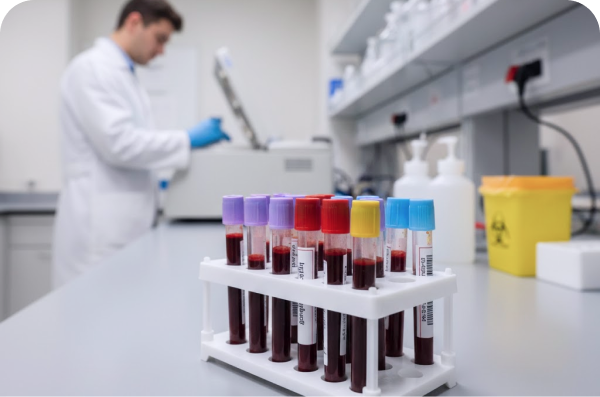


Urology Profile: Comprehensive Assessment of Urinary and Male Reproductive Health
A Urology Profile is a comprehensive set of diagnostic tests used to evaluate the health and function of the urinary tract and, in males, the reproductive system. The urinary system includes the kidneys, ureters, bladder, and urethra, and is responsible for filtering waste from the blood and removing it from the body. A well-designed urology profile helps doctors diagnose and monitor conditions such as urinary tract infections, kidney disease, prostate problems, bladder dysfunction, and hormone-related issues.
What the Urology Profile Includes
The exact tests may vary depending on your symptoms and your doctor’s judgement, but they usually fall into three main groups: laboratory tests, functional or urodynamic tests, and imaging studies.
1. Laboratory Analyses (Blood and Urine Tests)
These tests assess kidney function, detect infections, and screen for disease:
Urinalysis:
A basic yet essential test that examines a urine sample.Physical examination: Looks at color, clarity, and concentration.
Chemical examination: Uses test strips to check pH, red and white blood cells, protein, glucose, bilirubin, and nitrites. Abnormal findings may indicate infection, kidney damage, or metabolic issues.
Prostate-Specific Antigen (PSA) Test (for men):
A blood test that measures PSA, a protein produced by the prostate gland. Elevated PSA levels can be associated with prostate cancer, benign prostate enlargement (BPH), or inflammation (prostatitis).Creatinine and Blood Urea Nitrogen (BUN):
Blood tests that reflect how well the kidneys are filtering waste. High levels may suggest reduced kidney function or kidney disease.Testosterone Level (for men):
Measures the main male sex hormone. Abnormal levels can be linked to erectile dysfunction, fertility problems, and hormonal imbalances.24-Hour Urine Collection:
All urine produced over a full day is collected to measure substances such as protein, calcium, and creatinine. This gives a more detailed picture of kidney function and how the body handles certain minerals and waste products.
2. Functional and Urodynamic Studies
These tests assess how well the bladder, urethra, and sphincter muscles store and release urine. They are especially useful in cases of incontinence, difficulty passing urine, and nerve-related bladder issues.
Urine Flow Test (Uroflowmetry):
You urinate into a special device that measures the speed and amount of urine flow. A weak or interrupted stream can suggest a blockage or weak bladder muscles.Post-Void Residual (PVR) Measurement:
After you urinate, an ultrasound or a thin catheter is used to see how much urine remains in the bladder. A high residual volume means the bladder is not emptying properly, which can lead to infections and stones.Cystometry (Cystometrogram):
Measures pressure inside the bladder while it is filled with fluid. It helps evaluate bladder capacity, stability, and your sensation of fullness, and can identify involuntary bladder contractions.Urethral Pressure Profile (UPP):
Assesses pressure along the urethra to evaluate sphincter muscle function, which is essential for maintaining urinary control.
3. Imaging Tests
Imaging studies show the size, shape, and structure of the urinary organs and help detect stones, tumors, blockages, and other abnormalities.
KUB X-ray (Kidney, Ureter, and Bladder):
A simple X-ray can show kidney stones and other calcifications.Ultrasound (Kidney, Bladder, or Prostate):
Uses sound waves to create real-time images. It helps detect cysts, masses, obstruction, and can be used to measure post-void residual urine.CT Scan (Computed Tomography):
Provides detailed cross-sectional images of the kidneys, ureters, bladder, and surrounding tissues. Very useful for detecting tumors, complex stone disease, and lymph node enlargement.Intravenous Pyelogram (IVP) or CT Urogram:
Involves injecting contrast dye into a vein and taking timed X-ray or CT images as the dye passes through the urinary system. This highlights structural abnormalities or blockages.Cystography (Retrograde Cystography):
Contrast dye is placed into the bladder through a catheter, and images are taken to evaluate bladder shape, capacity, and to detect issues like urine reflux back towards the kidneys.
Why the Urology Profile Matters
A Urology Profile allows early detection and accurate diagnosis of conditions that can significantly affect comfort, health, and quality of life. Untreated problems may lead to complications such as recurrent infections, kidney damage, or even kidney failure. This profile supports:
Screening for prostate and bladder cancers
Identifying and managing kidney stones and chronic infections
Evaluating urinary symptoms such as pain, frequency, urgency, or leakage
Guiding personalised treatment plans based on objective test results
Regular evaluation is particularly important if you have risk factors such as older age, family history of urologic disease, diabetes, high blood pressure, or a history of urinary problems.
Frequently Asked Questions (FAQs)
1. Is the testing painful?
Most tests are completely painless.
2. How often should I get a Urology Profile?
For healthy adults without symptoms, routine screening isn't always necessary. However, men over 50 should discuss prostate screening with their doctor. If you have risk factors like diabetes, kidney disease, or a family history of urological problems, your doctor may recommend annual or more frequent testing.