






Know More About This Test
The Microalbumin test detects small amounts of albumin in urine and serves as an early marker of kidney damage. It is especially important in diabetes and hypertension, detecting damage before routine urine tests and helping prevent chronic kidney disease.
Why Is This Test Recommended?
This test is recommended for:
Long-standing diabetes
High blood pressure
Early kidney disease screening
Monitoring diabetic nephropathy
Cardiovascular risk assessment
Understanding Microalbuminuria
Normal kidneys retain albumin in the bloodstream. Albumin leakage into urine indicates glomerular damage. Results are classified as normal, microalbuminuria, or macroalbuminuria. Early-stage microalbuminuria is reversible and serves as a strong predictor of future kidney failure.
Symptoms or Conditions That May Require This Test
Usually asymptomatic in early stages
Diabetes duration >5 years
Uncontrolled hypertension
Family history of kidney disease
Swelling (edema) in later stages
How Do I Prepare for the Test?
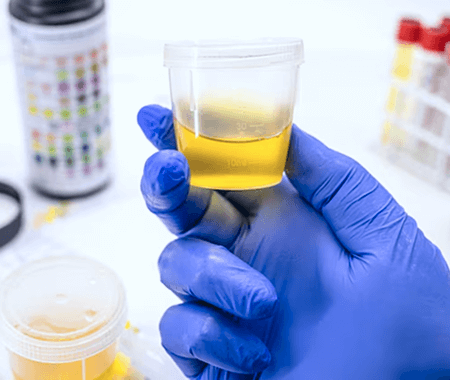
A spot urine sample is collected. No fasting is required. Avoid strenuous exercise before the test and inform your doctor about any urinary tract infections.
How Is the Test Performed?
The test is safe and painless, requiring only a urine sample for laboratory analysis.
What Happens After the Test?
Elevated values require intervention with strict blood sugar and blood pressure control. Medications may be adjusted to protect kidney function. Repeat testing confirms progression or improvement and helps prevent irreversible damage.
Frequently Asked Questions (FAQs)
Is it different from routine urine test?
Yes, microalbumin testing is more sensitive and detects smaller amounts of albumin that routine urine tests would miss.Can exercise affect results?
Yes, strenuous exercise can temporarily increase albumin excretion, so it's best to avoid intense activity before testing.Is it reversible?
Early stages yes; with proper blood sugar and blood pressure control, microalbuminuria can be reversed before permanent kidney damage occurs.Is it painful?
No, the test is completely painless as it only requires providing a urine sample.How often should diabetics test?
Annually; diabetic patients should undergo microalbumin testing at least once a year for early detection of kidney complications.