






Know More About This Test
The Serum Electrolytes test measures essential body electrolytes that maintain fluid balance and nerve function. These electrolytes are crucial for heart rhythm and muscle activity, reflect kidney and adrenal function, and are routinely used in hospitalized patients.
Why Is This Test Recommended?
This test is recommended for:
Dehydration or fluid imbalance
Kidney disease monitoring
Cardiac rhythm abnormalities
Vomiting or diarrhea
ICU and surgical monitoring
Understanding Electrolyte Balance
Sodium regulates fluid balance, potassium controls cardiac conduction, and chloride maintains acid–base balance. Small imbalances can cause major symptoms, and drugs commonly affect electrolyte levels.
Symptoms or Conditions That May Require This Test
Muscle weakness or cramps
Confusion or seizures
Irregular heartbeat
Excessive thirst
Low urine output
How Do I Prepare for the Test?
Usually no fasting required. Inform your doctor about diuretics or supplements you're taking.
How Is the Test Performed?
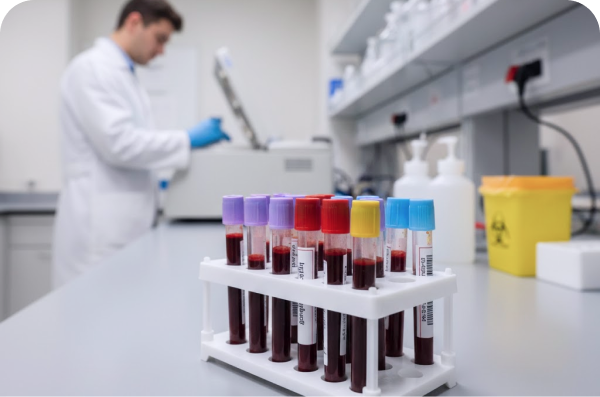
A blood sample is collected from a vein. The test is quick and safe, and often repeated for monitoring.
What Happens After the Test?
Low sodium: Hyponatremia
High potassium: Cardiac risk
Abnormal chloride: Acid–base disorders
Abnormalities require prompt correction, and the underlying cause must be treated.
Lifestyle Tips to Help Maintain Balanced Electrolytes
Balanced Hydration: Drink water consistently throughout the day rather than all at once. If you exercise intensely for over an hour, consider a drink with added electrolytes to replace what is lost in sweat.
Monitor Salt Intake: Excessive sodium can lead to high blood pressure and strain the kidneys. Focus on fresh, whole foods over processed or canned goods.
Potassium-Rich Foods: If you are not on a potassium-restricted diet for kidney issues, incorporate bananas, sweet potatoes, spinach, and avocados to support heart and muscle health.
Review Your Water Fill: If you use a heavy-duty water filtration system (like RO), ensure you are getting minerals from your diet, as these systems can sometimes strip water of natural electrolytes.
Manage Stress: Chronic stress can affect hormones like aldosterone, which helps the kidneys regulate sodium and potassium.
Frequently Asked Questions (FAQs)
Can diet affect electrolytes?
Yes, dietary intake of salt, potassium-rich foods, and fluid consumption can significantly influence electrolyte levels.Are results urgent?
Sometimes; severe electrolyte imbalances, especially potassium abnormalities, can be life-threatening and require immediate intervention.Can IV fluids change levels?
Yes, intravenous fluid administration can rapidly alter electrolyte concentrations, which is why monitoring is essential during treatment.Is it part of routine tests?
Yes, electrolyte testing is commonly included in routine metabolic panels, pre-surgical evaluations, and general health assessments.Is repeat testing common?
Very; frequent monitoring is essential when treating electrolyte imbalances, in hospitalized patients, and during certain chronic conditions or medications.