

 Made with Levo



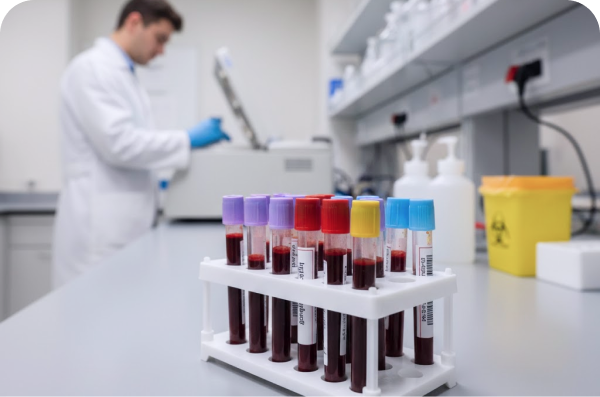


Rheumatoid Factor (RF) Test – Understanding the Blood Test for Autoimmune Diseases
A Rheumatoid Factor (RF) test is a blood test primarily used to help diagnose rheumatoid arthritis (RA) and other autoimmune conditions. It measures the amount of rheumatoid factor, a specific type of protein (autoantibody), present in your blood.
What is Rheumatoid Factor?
Rheumatoid factors are autoantibodies produced by the immune system. Normally, your immune system makes antibodies to attack and neutralize harmful invaders like bacteria and viruses. In some people, however, the immune system mistakenly produces rheumatoid factor, which targets the body’s own healthy tissues.
This abnormal immune reaction contributes to ongoing inflammation and tissue damage, especially in the joints, which is a characteristic feature of rheumatoid arthritis.
While RF is strongly associated with RA, it is not exclusive to this condition. Rheumatoid factor can also be found in people with:
Other autoimmune diseases, such as Sjögren’s syndrome or lupus
Certain chronic infections
A small percentage of completely healthy individuals
Because of this, a positive RF test is only one part of the overall diagnosis and must be interpreted in context.
Why is the RF Test Performed?
Doctors usually order an RF test when they suspect rheumatoid arthritis or another autoimmune disease. Common symptoms that may prompt testing include:
Persistent joint pain and tenderness
Joint stiffness, especially in the morning or after inactivity
Swelling in multiple joints
Fatigue and weakness
Low-grade fever
Because early RA symptoms can resemble other types of arthritis, the RF test helps differentiate RA from other causes of joint pain.
It is often ordered along with other tests such as:
Anti-CCP antibodies (Anti-cyclic citrullinated peptide): Highly specific for RA, often positive early in the disease
ANA (Anti-nuclear antibody): Used to screen for autoimmune conditions like lupus
ESR and CRP: Inflammation markers that show the overall level of inflammation in the body
How is the Test Performed?
The RF test is a simple blood test:
A healthcare professional draws a blood sample from a vein in your arm
In some settings, a finger-prick sample may be used
The procedure takes only a few minutes and causes minimal discomfort
No special preparation required – fasting is not necessary before the test
Inform your doctor about any medications or supplements you're taking, as some may affect test results.
Understanding Your RF Test Results
Results are reported as a concentration, often in international units per milliliter (IU/mL) or as a titer.
Negative (Normal or Low RF Levels):
Low or undetectable RF suggests that RA is less likely, but it does not completely rule it out. Some people with confirmed RA (often called "seronegative" RA) can have normal RF, especially early in the disease.Positive (High RF Levels):
Higher-than-normal RF levels are associated with autoimmune diseases, particularly rheumatoid arthritis. However, a positive RF alone is not enough to diagnose RA. Your doctor will interpret the result together with your symptoms, physical examination, imaging (like X-rays), and other blood tests.
Positive RF Without Rheumatoid Arthritis
RF can also be elevated in:
Other autoimmune diseases (for example, lupus, Sjögren’s syndrome, sarcoidosis)
Chronic infections (for example, hepatitis, tuberculosis)
Certain cancers
Some healthy older adults
In these situations, doctors rely on the complete clinical picture and other tests such as Anti-CCP and ANA to reach an accurate diagnosis.
Clinical Significance
The Rheumatoid Factor test is an important diagnostic tool for evaluating joint-related symptoms and suspected autoimmune disease. While it doesn't provide a diagnosis independently, it offers crucial information that, combined with your symptoms, physical examination, and other tests, helps your doctor determine the cause of your symptoms and develop an appropriate treatment plan.
Next Steps After Testing
If you've had an RF test, discuss the following with your doctor:
Your specific results and their clinical significance
How your symptoms correlate with the test findings
Whether additional diagnostic tests are needed
Available treatment options based on your diagnosis
Your doctor will work with you to create an individualized treatment plan designed to manage your symptoms and improve your quality of life.
Frequently Asked Questions (FAQs)
1. How long does it take to get RF test results?
Most RF test results are available within 24 hours. However, the exact turnaround time may vary depending on the laboratory. Your doctor will contact you once the results are ready and discuss what they mean for your health.
2. I have a positive RF test but no symptoms. Does this mean I have rheumatoid arthritis?
Not necessarily. Many people have small amounts of RF in their blood and are healthy. Some healthy individuals, especially older adults, can have elevated RF levels without developing rheumatoid arthritis. However, your doctor may recommend monitoring or additional testing to rule out other conditions.
3. Can I have rheumatoid arthritis if my RF test is negative?
Yes. Approximately 20% of patients with confirmed rheumatoid arthritis do not have elevated RF levels, a condition known as seronegative RA. This is particularly common in the early stages of the disease. Your doctor will consider other factors such as symptoms, physical examination findings, and additional tests like Anti-CCP antibodies.
4. How long does it take to get RF test results?
Most RF test results are available within 24 hours. However, the exact turnaround time may vary depending on the laboratory
5. Can I take the RF test at home?
Yes, at-home tests for rheumatoid factor are available with Tapadia Diagnosis. So that you can avoid the hassle of travelling to the hospital for the tests.