

 Made with Levo



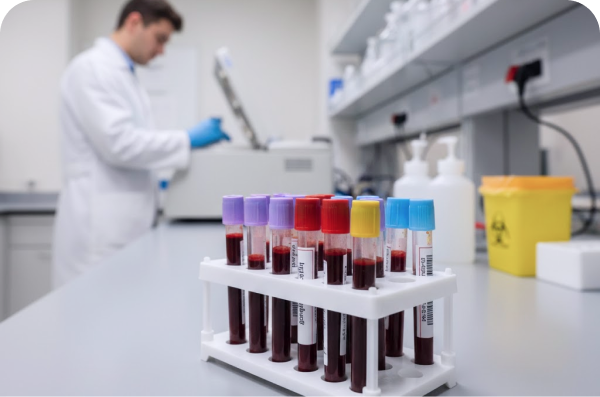


Understanding the PSA test
The PSA test is a fundamental blood test primarily used to screen for prostate cancer and monitor treatment for those already diagnosed with the disease. It measures the level of Prostate-Specific Antigen (PSA) in a sample of your blood. PSA is a protein produced by the prostate gland, which is a key part of the male reproductive system, located just below the bladder. The prostate's main function is to create seminal fluid, the fluid that nourishes and transports sperm.
What is PSA, and Why is this Test Important?
PSA is typically found in low levels in the blood. However, certain conditions can cause the prostate to produce more PSA, leading to elevated levels in the bloodstream. While prostate cancer is a common and serious disease, and elevated PSA levels can be an indication of its presence, it is vital to understand that a high PSA level does not automatically mean cancer.
Many noncancerous conditions can also increase PSA levels, including:
Benign Prostatic Hyperplasia (BPH): This is a common age-related condition where the prostate gland becomes enlarged.
Prostatitis: This refers to an inflamed or infected prostate.
Age: PSA levels normally increase as a man ages, even without disease.
Other Factors: Vigorous activities, such as cycling, and recent ejaculation can temporarily raise PSA levels.
Early detection of prostate cancer through screening tests like the PSA test may be an important tool in facilitating appropriate and timely treatment. For men who have already received a prostate cancer diagnosis, the PSA test is also crucial for:
Judging the effectiveness of current treatment.
Checking for any recurring cancer.
Monitoring the progression of the disease.
Following up on persistent prostate symptoms, such as frequent or painful urination, or blood in the urine or semen.
The Testing Process and Understanding the Results
The PSA test is a simple procedure: a healthcare professional takes a small sample of blood, usually from a vein in your arm, and sends it to a laboratory for analysis.
Results are reported as nanograms of PSA per milliliter of blood (ng/mL). It is crucial to understand that there is no single, universally agreed-upon threshold that definitively distinguishes a "normal" from an "abnormal" PSA result. While higher levels generally increase the likelihood of prostate cancer, doctors often look for a trend of rising PSA levels over time rather than focusing on a single high reading. They will also consider your age, medical history, and any symptoms you may be experiencing.
If the PSA test results are concerning, or if a doctor detects other abnormalities (such as during a digital rectal exam or on imaging tests), they may recommend further steps. This often includes a prostate biopsy, where samples of prostate tissue are removed for microscopic examination to confirm a cancer diagnosis.
Benefits, Limitations, and Risks of PSA Screening
Deciding whether to undergo PSA screening is a personal choice that should be made after a detailed discussion with your doctor, considering the potential benefits, limitations, and risks associated with the test.
Potential Benefits:
Reduced Mortality: For some men, screening can detect prostate cancer early, potentially preventing the development of metastatic cancer and reducing the risk of death from the disease.
Early Intervention: Detecting aggressive, life-threatening cancers at an earlier stage allows for timely intervention and treatment.
Limitations and Harms (The Debate):
Medical organizations sometimes vary in their recommendations regarding who should be screened, primarily due to the limitations of the test and the risk of "overdiagnosis" and "overtreatment."
Misleading Results:
False-Positives: An elevated PSA level may not mean you have cancer, leading to anxiety and unnecessary follow-up procedures like biopsies.
False-Negatives: It is possible to have prostate cancer yet still have a normal PSA level.
Overdiagnosis and Overtreatment: The PSA test sometimes identifies slow-growing, low-risk tumors. These cancers may never cause symptoms, become life-threatening, or require treatment. When these cancers are treated unnecessarily (overtreatment), the patient is exposed to the risks of treatment without the potential benefit of a longer life. Treatment complications can include:
Sexual dysfunction (erectile issues).
Urinary incontinence.
Procedure Risks: If an elevated PSA leads to a recommended prostate biopsy, the biopsy itself carries risks, including pain, bleeding, and infection.
Making an Informed Decision
Given these complexities, guidelines often emphasize shared decision-making between patients and their clinicians. Individuals should discuss their personal risk factors, values, and preferences regarding screening. Screening is typically recommended for individuals 70 years and older due to the higher risk of harms outweighing potential benefits in this age group.
Researchers are continuously working to improve prostate cancer detection by developing blood-based tests that measure different characteristics of PSA, as well as urine-based and advanced imaging tests, which aim to better assess the risk of aggressive cancer and determine when a biopsy is truly necessary.
If you are considering the PSA test, speaking candidly with your healthcare provider about its potential impact is the best way to make an informed decision aligned with your health goals.