






Know More About This Test
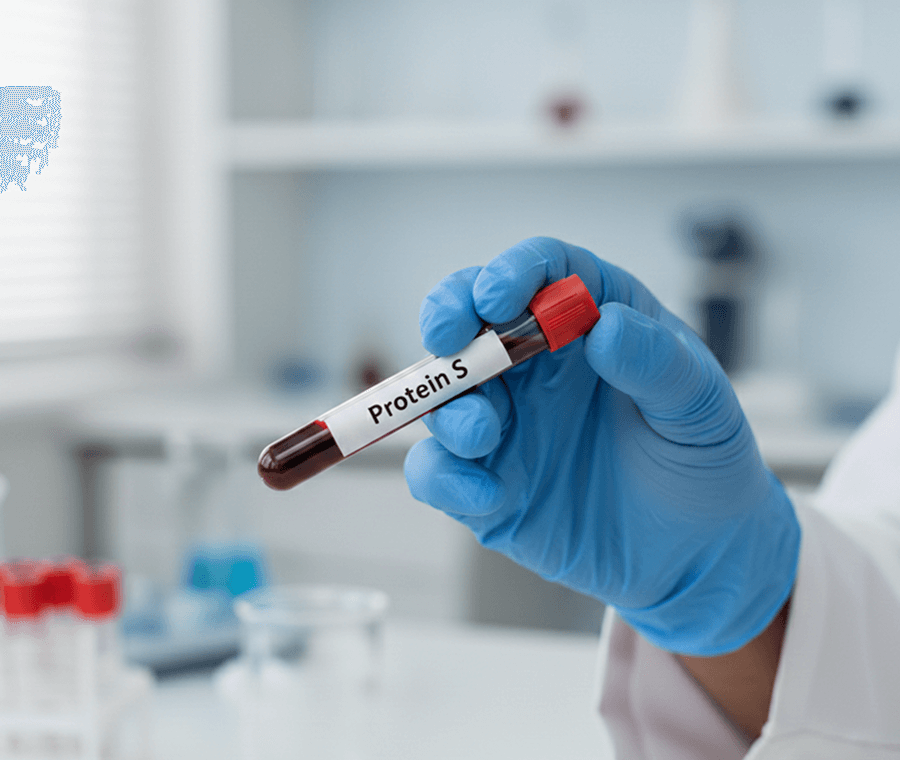
Protein S is a natural anticoagulant protein produced by the liver that plays a critical role in preventing excessive blood clot formation. It works in conjunction with Protein C to regulate blood coagulation by inactivating clotting factors. Deficiency of Protein S increases the risk of abnormal clotting (thrombosis), particularly in veins. This test is primarily used in the evaluation of unexplained or recurrent blood clots, miscarriages, and inherited thrombophilia.
Why Is This Test Recommended?
You may need this test to:
Investigate the cause of an unexplained blood clot, particularly when it occurs at a young age or in an unusual location
Screen for hereditary thrombophilia in individuals with a strong family history of blood clotting disorders
Evaluate recurrent miscarriages, stillbirths, or pregnancy complications that may be linked to a clotting disorder
Monitor Protein S levels in patients with known liver disease, nephrotic syndrome, or vitamin K deficiency
Assess clotting risk before initiating estrogen therapy, oral contraceptives, or hormone replacement therapy
Classify the type of Protein S deficiency (Type I, II, or III) to guide appropriate treatment
Advantages of the Protein S Antigen Test
The Protein S Antigen test provides crucial, actionable information about an individual's inherited or acquired clotting risk that routine blood tests simply cannot detect.
Unlike general coagulation screens such as PT/INR or APTT, which may appear entirely normal in Protein S deficiency, this targeted assay directly measures the anticoagulant protein responsible for regulating clot formation.
Measurement of free plasma Protein S antigen is recommended as the initial testing for Protein S deficiency, and when combined with total Protein S and functional activity testing, it allows clinicians to accurately classify the type of deficiency and tailor management accordingly - potentially preventing strokes, DVT, and life-threatening pulmonary embolism.
How Is the Test Performed and Prepared For?
A blood sample is collected through standard venipuncture for laboratory analysis. Fasting is not required for this test. Inform your doctor about anticoagulant medications as they may affect results, and testing is not recommended during an acute clotting episode as results may be temporarily altered by active thrombosis.
What Does the Protein S Antigen Test Measure?
The Protein S Antigen test quantifies the amount of Protein S circulating in the plasma, expressed as a percentage of normal activity or in IU/dL.
Based on the measurement of free and total Protein S antigen and functional Protein S activity, scientists classify Protein S deficiency into three phenotypes.
Type I deficiency is characterized by a decrease in both total and free Protein S antigen (quantitative deficiency).
Type II deficiency is characterized by normal total and free antigen levels but reduced Protein S activity (functional or qualitative defect).
Type III deficiency is characterized by low free Protein S levels while total plasma concentration of Protein S remains normal.
Understanding which type of deficiency is present is essential for accurate diagnosis, as each type carries different clinical implications and requires a different testing approach.
What Do the Results Indicate?
Normal levels indicate adequate clot regulation with proper anticoagulant function. Low levels suggest increased risk of abnormal blood clot formation (thrombosis), particularly venous thromboembolism. Protein S deficiency may be congenital or acquired, and results help guide treatment decisions including anticoagulation therapy and management of recurrent clotting events or pregnancy complications.
Lifestyle Tips to Reduce Clotting Risk With Protein S Deficiency
Ensure adequate intake of vitamin K through a balanced diet that includes green leafy vegetables, as vitamin K is essential for the synthesis of Protein S in the liver.
If you take an anticoagulant, know the warning signs of deep vein thrombosis and pulmonary embolism, and call your provider if you fall or have abnormal bleeding such as a nosebleed or blood in your urine or stool.
Avoid prolonged immobility during long journeys - move your legs regularly or take short walks to reduce DVT risk.
Maintain a healthy weight and stay physically active, as obesity and physical inactivity are known risk factors for clot formation in individuals with underlying thrombophilia.
You may not be able to avoid all medical conditions that cause acquired Protein S deficiency, but you can avoid birth control pills and make sure you get enough vitamin K.
Frequently Asked Questions (FAQs)
Is Protein S deficiency common?
Rare; inherited Protein S deficiency affects a small percentage of the population, though acquired deficiency may be more common in certain clinical situations.Can pregnancy lower Protein S?
Yes; Protein S levels naturally decrease during pregnancy, which is why testing is typically avoided during gestation unless clinically essential.Is this a routine test?
No; Protein S testing is ordered only for specific clinical indications such as unexplained thrombosis, recurrent pregnancy loss, or family history of clotting disorders.Can medications affect results?
Yes; anticoagulants like warfarin, oral contraceptives, and hormone replacement therapy can significantly affect Protein S levels and test interpretation.Is repeat testing required?
Often; initial abnormal results should be confirmed with repeat testing after acute illness resolves and ideally off anticoagulation to establish true baseline levels.