





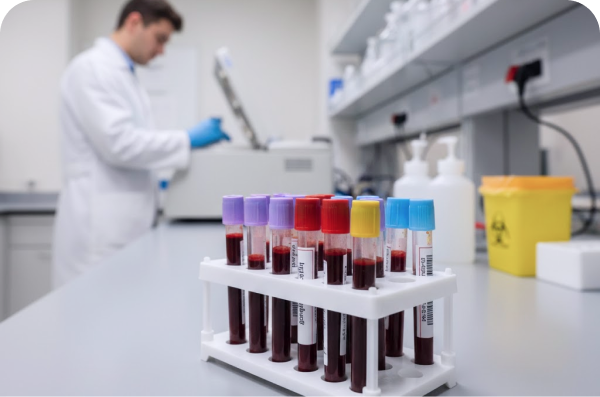


Know More About This Test
Post-lunch blood sugar measures blood glucose levels two hours after a meal. It evaluates how effectively the body processes glucose following food intake. This test is essential for diagnosing diabetes and monitoring glucose control in known diabetics.
Why Is This Test Recommended?
Diagnose diabetes
Monitor blood sugar control
Detect post-meal hyperglycemia
Understanding Post-Meal Glucose
Healthy individuals return to near-normal glucose levels within two hours.
Symptoms or Conditions
Excessive thirst
Frequent urination
Fatigue
Why Do I Need This Test?
To detect abnormal sugar spikes after meals.
Preparation
Eat normal meal before test.
How Is the Test Performed?
Blood sample collected 2 hours after eating.
What Happens After the Test?
Results guide dietary and medication adjustments.
When to Consult a Doctor?
If values exceed normal limits.
Risks
Minimal.
Lifestyle Tips
Balanced meals and regular exercise.
What Does It Measure?
Post-meal glucose response.
Result Meaning
≥140 mg/dL suggests diabetes.
What If Abnormal?
Further glucose testing advised.
Factors Affecting Results
Meal content
Stress
FAQs
Is fasting needed? No, fasting is not needed for a post-lunch blood sugar test, as it specifically evaluates glucose response after eating, unlike fasting tests that measure baseline levels.
Can I eat sweets? Yes, you should eat your usual meal, including sweets if that's part of your normal diet, to accurately reflect your body's typical post-meal glucose handling.
Is it for diabetics only? No, this test is valuable for anyone at risk of or screening for diabetes, as it helps identify impaired glucose tolerance even in non-diabetics.
Is it more important than fasting sugar? Both matter equally—fasting sugar assesses baseline control, while post-lunch levels reveal how meals affect spikes, providing a fuller picture of glucose management.
Can stress raise sugar? Yes, stress can raise post-lunch blood sugar by triggering hormone release like cortisol, which increases glucose production, so results should be interpreted in context.
Is repeat testing required? Often, yes—repeat testing on different days is typically required to confirm abnormal results and rule out temporary factors like illness or unusual meals.