





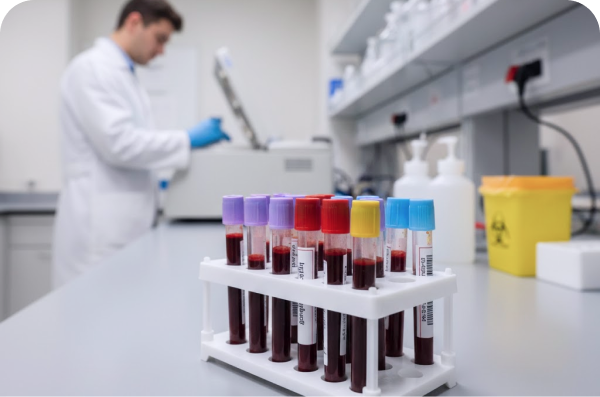


Understanding Liver Function Test (LFT)
The Liver Function Test (LFT), also commonly referred to as a liver panel or hepatic function panel, is a crucial group of blood tests designed to measure various enzymes, proteins, and other substances produced or processed by the liver. These measurements provide healthcare providers with essential information about the overall health of your liver and how well it is performing its vital functions.
The liver in our body is responsible for functions ranging from detoxification and processing medications to producing proteins essential for blood clotting and fighting infection. When the liver is damaged or diseased, levels of these substances in the blood can become abnormally high or low, signaling a potential problem.
Purpose of Liver Function Tests
LFTs are not typically used to diagnose a specific disease on their own but rather to provide clues that help guide further diagnostic steps. They are frequently used for several important reasons:
Screening for Liver Infections: LFTs can help detect early signs of liver infections, such as hepatitis (A, B, or C).
Monitoring Disease Progression: For individuals already diagnosed with liver conditions like viral or alcoholic hepatitis, cirrhosis (scarring of the liver), or fatty liver disease, LFTs monitor how the disease is progressing over time.
Assessing Treatment Effectiveness: These tests help determine whether a current treatment regimen for a liver condition is working effectively.
Monitoring Medication Side Effects: Certain medications can affect liver health. LFTs are often used to monitor possible side effects of drugs known to impact the liver.
Investigating Symptoms: If you exhibit symptoms such as jaundice (yellowing of the skin and eyes), fatigue, nausea, or abdominal pain, an LFT can help determine if liver disease or damage is the underlying cause.
High-Risk Screening: Testing may be performed even without symptoms if a person has a high risk for liver damage, such as a family history of liver disease or alcohol use disorder.
Common Components Measured in an LFT A standard liver panel typically includes measurements of several key components, often categorized into liver enzymes, proteins, and waste products:
Liver Enzymes
Enzymes are proteins that speed up chemical reactions in the body. When liver cells are damaged, these enzymes can leak into the bloodstream, resulting in elevated levels.
Alanine Transaminase (ALT): Primarily found in the liver. Elevated ALT is a common indicator of liver injury or disease, such as hepatitis.
Aspartate Transaminase (AST): Mostly concentrated in the liver, but also found in the heart and muscles. Elevated AST, especially when accompanied by elevated ALT, suggests liver damage. High AST alone might also indicate muscle damage.
Alkaline Phosphatase (ALP): Found in the liver, bone, kidneys, and digestive tract. Higher-than-usual levels may signal liver damage, a blocked bile duct, or certain bone diseases.
Gamma-Glutamyltransferase (GGT): Elevated levels may indicate liver or bile duct damage. Often used in conjunction with ALP to determine if elevated ALP is due to liver disease or bone disease.
Proteins
The liver is responsible for synthesizing crucial proteins that circulate in the blood.
Albumin: One of the main proteins made exclusively by the liver. Low levels of albumin may mean liver damage or disease, as the liver is not producing enough protein. Low levels can also be seen in kidney-related conditions. Standard range is typically 3.5 to 5.0 grams per deciliter.
Total Protein: This test measures the total amount of protein in the blood, including albumin and globulins (proteins made by the immune system). Low total protein levels may also suggest that the liver is not functioning optimally.
Bilirubin
Bilirubin is a yellowish waste product created when the body breaks down old red blood cells. The liver filters bilirubin from the blood and deposits it into the bile for removal.
Bilirubin (Total and Direct): Higher-than-usual levels of bilirubin (hyperbilirubinemia) might indicate liver damage or disease, as the liver is struggling to clear it. Elevated bilirubin is what causes jaundice. Blockages of the bile ducts can also lead to elevated bilirubin.
Other Tests Some liver panels may also include:
Lactate Dehydrogenase (LDH): An enzyme found in the liver and many other body tissues. Elevated levels can suggest liver injury, though the test is non-specific.
Prothrombin Time (PT): This measures how long it takes for a blood sample to clot. Since the liver produces the proteins needed for blood clotting (coagulation factors), a prolonged PT may indicate that the liver is severely damaged and cannot produce these proteins effectively.
What Do The Results Mean?
It is important to remember that abnormal LFT results do not automatically confirm a liver disease diagnosis. A healthcare professional will analyze the pattern and degree of elevation across all tests, along with the patient’s clinical picture, symptoms, and medical history, to determine the underlying cause.
For example, significantly elevated AST and ALT levels are strong indicators of acute liver injury (hepatitis), while elevated ALP and GGT suggest a problem with the bile ducts (cholestasis). If a patient has advanced liver disease (cirrhosis), they may exhibit low albumin and prolonged PT, indicating a failure of the liver's synthetic function.
Preparation for the Test
Preparation for an LFT is simple but important for accurate results. Your doctor may ask you to:
Review Medications: Certain foods, vitamins, or prescription medications can affect the results. You must inform your doctor about all substances you are taking, but do not stop taking any medicine unless explicitly instructed by your healthcare provider.
What happens during a liver function test?
A health care professional will take a blood sample from a vein in your arm, using a small needle. After the needle is inserted, a small amount of blood will be collected into a test tube or vial. You may feel a little sting when the needle goes in or out. This usually takes less than five minutes.
If your LFT results are abnormal, your healthcare provider will likely order additional blood tests, imaging scans (such as an ultrasound), or sometimes a liver biopsy, to pinpoint the exact cause of the problem and formulate an appropriate treatment plan.
Conclusion
Liver Function Tests (LFTs) are invaluable in assessing liver health and detecting infectious diseases. LFTs are available at Tapadia Diagnostic to proactively protect your liver health by understanding the causes, risk factors, and potential complications of liver involvement in infectious diseases.
In the comfort of your home, you can easily take LFT, and our experts will provide the results on the same take itself! Regular LFTs, appropriate medical management, and certain lifestyle modifications can control the spread of infectious diseases and promote overall well-being.
Frequently Asked Questions (FAQs)
1. Can LFTs detect liver damage caused by infectious diseases? Yes, LFTs can detect liver damage caused by infectious diseases. Increased levels of liver enzymes like ALT and AST can indicate liver inflammation and injury. Additionally, abnormal bilirubin levels can suggest impaired liver function and bile flow.
2. When can a physician recommend LFTs? If your physician notices symptoms like excessive weakness, loss of energy, extreme weight loss, abdominal pain and swelling, nausea, loss of appetite, vomiting, or a change in stool colour and urine colour, you may be asked to go for LFTs.
3. Are the LFTs done on an empty stomach? Yes. Liver Function Tests are usually conducted on an empty stomach, where the person is not supposed to eat or drink anything except water before the test. If you are on medication, you should consult your healthcare provider before taking the test, as certain medicines or health supplements may affect the LFT result.