






Know More About This Test
This test detects antibodies produced in response to HIV-1 and HIV-2 infection. It is commonly used as a screening test and identifies exposure rather than active viral load. Early detection allows timely treatment and prevents transmission.
Why Is This Test Recommended?
HIV Antibody testing is recommended for routine screening, after potential exposure, during pregnancy, before surgeries or blood donation, and when symptoms like unexplained fever, weight loss, or recurrent infections are present. Early diagnosis significantly improves life expectancy.
What Do the Results Indicate?
Non-reactive results mean no antibodies detected. Reactive results require confirmatory testing. Antibodies appear weeks after infection, so early testing may require repeat testing due to the window period.
How Is the Test Performed and Prepared For?
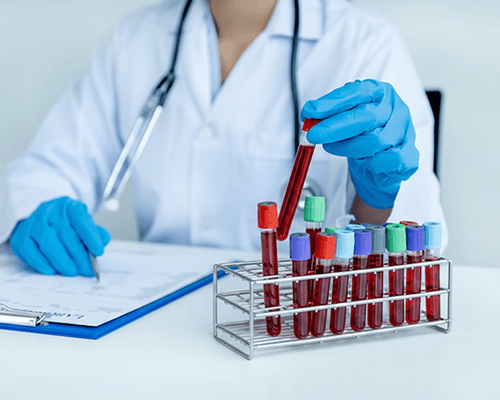
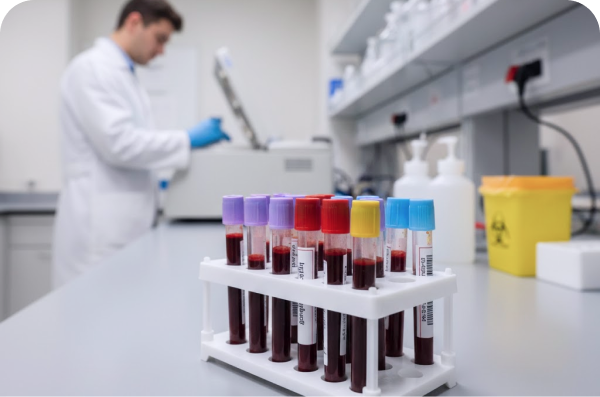
Blood sample is collected. No fasting is required. Positive results require confirmatory testing and specialist care.
Frequently Asked Questions (FAQs)
Does reactive mean HIV positive?
Needs confirmation; a reactive result indicates antibodies detected but requires confirmatory tests like Western blot or viral load for definitive diagnosis.Is it confidential?
Yes; HIV testing is conducted with strict confidentiality protocols to protect patient privacy and encourage testing without fear of disclosure.Can early tests be negative?
Yes; during the window period (typically 2-12 weeks after exposure), antibodies may not be detectable, requiring repeat testing later.Is fasting needed?
No; HIV antibody testing does not require fasting and can be performed at any time of day.Is treatment available?
Yes, lifelong ART; antiretroviral therapy effectively suppresses the virus, allows normal life expectancy, and prevents transmission to others.Can HIV be prevented?
Yes; prevention includes safe sex practices, PrEP medication for high-risk individuals, avoiding needle sharing, and post-exposure prophylaxis when needed.