






Understanding The Extended Diabetic Profile
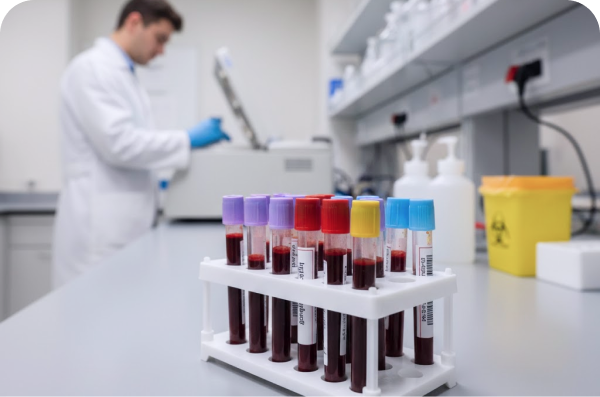
The Extended Diabetic Profile is a crucial and comprehensive diagnostic panel designed for individuals managing diabetes, pre-diabetes, or those who are at high risk of developing the condition. This profile goes beyond standard blood sugar checks, offering a holistic view of how diabetes is affecting various critical organs and bodily systems. By consolidating several vital health indicators into one convenient test, the Extended Diabetic Profile provides physicians and patients with the detailed data necessary to personalize treatment plans, monitor effectiveness, and mitigate the long-term complications associated with elevated blood glucose levels.
Why Choose the Extended Diabetic Profile?
Diabetes—both Type 1 and Type 2—is a chronic condition characterized by high blood sugar (glucose) levels. Over time, persistent hyperglycemia can damage the heart, kidneys, eyes, and nerves. Effective management hinges on consistent monitoring and timely intervention. The Extended Diabetic Profile is essential because it offers a multi-faceted assessment, covering not only glucose control but also the health markers most impacted by diabetes. It transforms routine blood work into a strategic tool for preventative care.
For patients already diagnosed, this profile serves as an annual or biannual checkup to ensure their current medications, diet, and lifestyle are effectively controlling the disease. For those with pre-diabetes, it provides crucial insights needed to make lifestyle changes and prevent the progression to full-blown diabetes. Furthermore, for individuals with a family history of diabetes, obesity, or other risk factors, this test is instrumental in early detection.
Key Components of the Profile
The Extended Diabetic Profile is meticulously designed to assess critical aspects of metabolic health and organ function. While specific components may vary slightly by laboratory, the core markers typically include:
Glucose Monitoring: The Immediate Picture
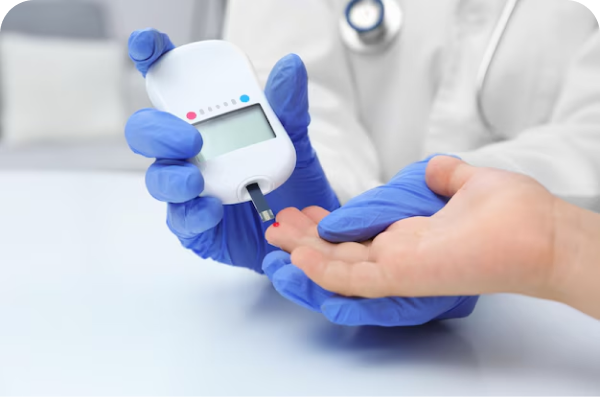
Fasting Blood Sugar (Glucose): This measures the amount of glucose in your blood after an overnight fast (typically 8–12 hours). It gives a snapshot of your body’s ability to manage blood sugar when no recent food intake is involved. Elevated fasting glucose is often the first indicator of impaired glucose tolerance or diabetes.
Post Prandial Blood Sugar (Glucose PP): This test measures blood sugar levels exactly two hours after you start eating a meal. It assesses how effectively your body processes carbohydrates and utilizes or stores glucose following digestion.
Long-Term Glucose Control: HbA1c
Glycated/Glycosylated Hemoglobin Test: This is arguably the most important metric in diabetes management. It measures the average percentage of blood sugar attached to your hemoglobin (the oxygen-carrying protein in red blood cells) over the preceding two to three months. Unlike fasting glucose, the HbA1c test is not affected by short-term dietary changes or daily fluctuations, providing a reliable measure of long-term control. Maintaining HbA1c within the target range is directly linked to reducing the risk of diabetic complications.
Cardiovascular Health: Lipid Profile
Diabetes significantly increases the risk of heart disease and stroke. The Lipid Profile assesses key fats in the bloodstream, helping to evaluate cardiovascular risk:
Total Cholesterol
LDL ("Bad") Cholesterol: High levels can lead to plaque buildup in arteries.
HDL ("Good") Cholesterol: Protects against heart disease.
Triglycerides: High levels, common in poorly controlled diabetes, are linked to cardiovascular disease.
Kidney Function: The Renal Assessment
The kidneys are highly susceptible to damage from high blood sugar and high blood pressure, a condition known as diabetic nephropathy. The profile includes tests to evaluate kidney health:
Kidney Function Test (KFT) Profile: This typically includes markers such as creatinine, urea, and electrolytes to assess the kidneys' filtration rate and overall function.
Albumin/Creatinine Ratio (ACR): This urine test is critical for early detection of kidney damage. Albumin is a protein that healthy kidneys do not allow to pass into the urine. Detecting even small amounts of albumin (microalbuminuria) is often the earliest sign of diabetic kidney disease, allowing for prompt treatment to slow or halt progression.
Additional Assessments
Urine Routine and Microscopy: This is used to check for signs of infection, the presence of glucose, protein, or ketones in the urine, offering further information on metabolic control and general urinary tract health.
The Role of the Extended Diabetic Profile in Treatment
Receiving the results from the Extended Diabetic Profile empowers both the patient and the healthcare team. By examining the totality of the results—the current sugar level, the three-month average, and the status of critical organs like the heart and kidneys—a detailed and actionable strategy can be formulated.
If the HbA1c is above target, the physician may adjust medication, insulin dosage, or recommend further nutritional counseling. If the lipid profile shows dangerously high LDL or triglycerides, statin therapy or specialized diet plans may be initiated. Crucially, if the ACR shows signs of microalbuminuria, specific medications (like ACE inhibitors or ARBs) can be started to protect the kidneys, often before any symptoms appear.
In summary, the Extended Diabetic Profile is more than a diagnostic tool; it is an indispensable guide for living well with diabetes. It moves beyond simple glucose measurement to provide a comprehensive, actionable roadmap for long-term health, complication prevention, and optimal disease management. Regular testing helps ensure that diabetes remains a manageable condition rather than a path to debilitating health issues.