






Know More About This Test
The eGFR (estimated Glomerular Filtration Rate) test calculates kidney function using a formula that combines serum creatinine levels, age, sex, and body weight. Normal values exceed 90 mL/min/1.73m², indicating healthy kidney filtration. Values between 60-89 suggest mild reduction, while below 60 mL/min signals chronic kidney disease requiring medical attention. This test provides a more accurate assessment than creatinine alone.
Why Is This Test Recommended?
eGFR testing is recommended to monitor kidney health in diabetes or hypertension patients, track chronic kidney disease progression, ensure safe medication dosing, detect early kidney damage before symptoms appear, and screen for kidney problems during annual health checkups. It helps prevent progression to dialysis through early detection.
What Do the Results Indicate?
Results ≥90 mL/min indicate normal kidney function. Values 60-89 suggest mild reduction requiring annual monitoring. Stage 3A (45-59) needs nephrology consultation and ACE inhibitors. Stage 3B (30-44) requires specialist care. Stage 4 (15-29) needs urgent dialysis planning, and stage 5 (<15) requires immediate intervention.
How Is the Test Performed and Prepared For?
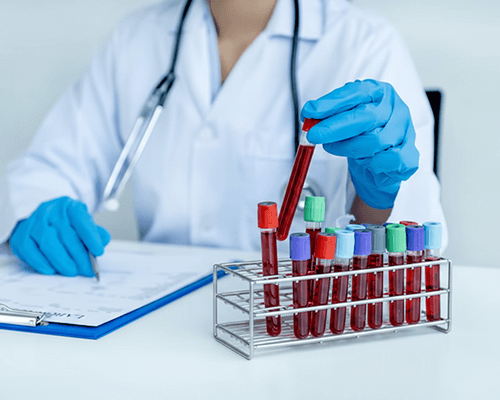
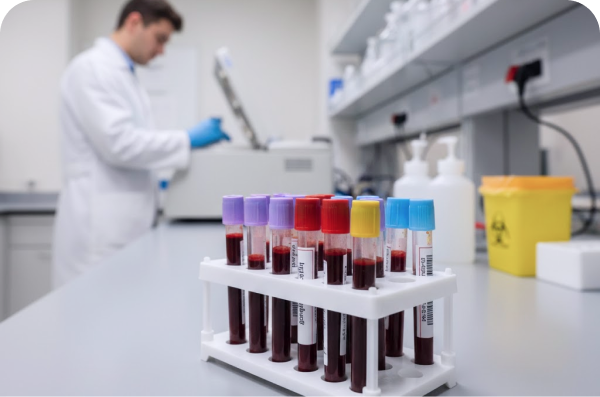
A blood sample is collected from a vein in your arm. No fasting is required. Inform your doctor about muscle-building supplements, recent high-protein diet, dehydration, or vegetarian diet as these affect creatinine levels. Morning sample is preferred for consistency. The laboratory measures creatinine and automatically calculates eGFR.
Frequently Asked Questions (FAQs)
What does low eGFR mean?
Reduced kidney filtering power that needs medical attention and monitoring to prevent progression to dialysis.Normal eGFR for age 60+?
Values of 60-89 are acceptable for older adults; below 60 is concerning and requires nephrology evaluation.Fasting needed for eGFR?
No; the blood sample can be taken anytime without fasting, making it convenient for routine monitoring.Diabetes affects eGFR how?
Diabetes damages kidney filtering units progressively over 5-10 years, reducing eGFR and leading to chronic kidney disease.Can diet improve eGFR?
Yes, with modifications; low salt and low protein diet can slow eGFR decline by 20-30% and protect kidney function.