






Know More About This Test
Total cholesterol measures the combined levels of LDL, HDL, and VLDL cholesterol in the blood. Cholesterol is essential for hormone production and cell membranes, but excess levels increase the risk of heart disease and stroke by promoting plaque buildup in arteries.
Why Is This Test Recommended?
It is recommended to:
Assess cardiovascular risk in routine health checks or before starting preventive care
Monitor lipid-lowering therapy effectiveness in patients on statins or similar treatments
Screen individuals with family history of heart disease or early-onset conditions
Evaluate lifestyle-related risks such as obesity, smoking, or sedentary habits
Understanding Cholesterol
High total cholesterol often reflects elevated LDL, the "bad" type that contributes to artery narrowing. However, interpretation depends on HDL balance and overall risk profile, including age, blood pressure, and diabetes status for a complete assessment.
Symptoms or Conditions
Usually asymptomatic in early stages; detected through routine screening or as part of broader metabolic panels to identify silent risks before complications arise.
Why Do I Need This Test?
To prevent heart disease through early detection, allowing timely interventions like diet modifications or medications to lower levels and reduce the likelihood of future cardiac events.
Preparation
Fasting for 9–12 hours to ensure accurate triglyceride measurements that factor into total cholesterol calculation
Avoid fatty meals prior to testing, as they can temporarily elevate lipid readings and skew results
Test Performance
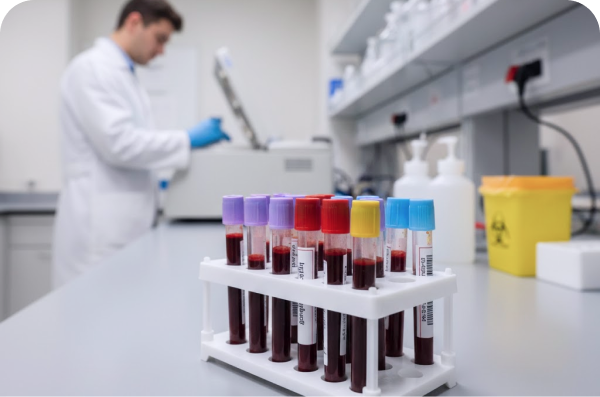
Blood sample collection via a simple venipuncture from the arm vein, typically done in a lab or clinic setting with quick results turnaround.
After Test
Results reviewed with risk factors such as family history, BMI, and other labs to provide personalized insights and next steps.
When to Consult
If levels exceed recommended limits, prompting a discussion with your doctor about potential causes and management options to address elevated risks promptly.
Risks
Minimal, involving only a standard blood draw with rare chances of bruising or infection at the site.
Lifestyle Tips
Reduce saturated fats from red meats and fried foods to help lower LDL levels naturally
Exercise regularly, aiming for at least 150 minutes of moderate activity weekly to boost HDL
Maintain healthy weight through balanced calorie intake to stabilize overall cholesterol balance
What It Measures
Total circulating cholesterol, encompassing all major lipoprotein types to give a broad snapshot of lipid health in the bloodstream.
Results Meaning
Desirable: <200 mg/dL, indicating low risk for heart issues in most adults
Borderline: 200–239, suggesting moderate risk that may warrant lifestyle tweaks
High: ≥240, signaling elevated cardiovascular danger needing medical attention
If Abnormal
Dietary changes like adopting a Mediterranean-style eating plan or medication such as statins may be required to bring levels back into a safe range.
Factors Affecting Results
Diet high in trans fats, genetics like familial hypercholesterolemia, and medications such as corticosteroids can influence readings.
Total vs LDL Cholesterol
LDL focuses on the harmful fraction that deposits in artery walls, whereas total cholesterol provides an overall view including protective HDL components.
FAQs
Is cholesterol always bad? No, it’s essential—cholesterol is a vital building block for cell membranes, hormones like estrogen and testosterone, and vitamin D synthesis. The issue arises with imbalances, particularly high LDL ("bad" cholesterol) that can build up in arteries, leading to plaque formation and increased heart disease risk. Focus on maintaining a healthy ratio of LDL to HDL ("good" cholesterol) through balanced nutrition and activity.
How often should I test? Every 1–2 years—for adults over 20 without risk factors, guidelines from organizations like the American Heart Association recommend screening every 4–6 years, but more frequently (annually) if you have diabetes, hypertension, family history of heart disease, or are on lipid-lowering meds. Your doctor can tailor the schedule based on your age, lifestyle, and previous results to catch changes early.
Can diet alone reduce it? Mild cases, yes—adopting a heart-healthy diet rich in fruits, vegetables, whole grains, and omega-3s from fish or nuts can lower total cholesterol by 5–10% in moderate elevations. Combine it with weight management and exercise for better results; severe cases may still need statins, but diet is a powerful first-line approach—track progress with follow-up tests after 3 months.
Is fasting mandatory? Yes, preferred—fasting for 9–12 hours ensures accurate measurement of triglycerides, which influence total cholesterol calculations, as recent meals can temporarily spike levels. Water is allowed, but skip alcohol and heavy fats the night before; non-fasting tests are sometimes used for quick screens, but discuss with your doctor if fasting poses challenges.
Does stress affect cholesterol? Indirectly, yes—chronic stress elevates cortisol, which can promote fat storage, inflammation, and unhealthy eating habits, indirectly raising LDL and lowering HDL over time. Acute stress has minimal direct impact, but long-term management through meditation, yoga, or therapy can support better lipid profiles alongside medical treatment.
Are medicines lifelong? Depends on risk—statins or other lipid-lowering drugs are often long-term for high-risk individuals (e.g., those with prior heart events or diabetes) to maintain benefits, but some with mild elevations controlled by lifestyle changes may taper off after years of stability. Regular monitoring allows adjustments; always follow your cardiologist's guidance based on ongoing risk assessments.