

 Made with Levo




Know More About This Test
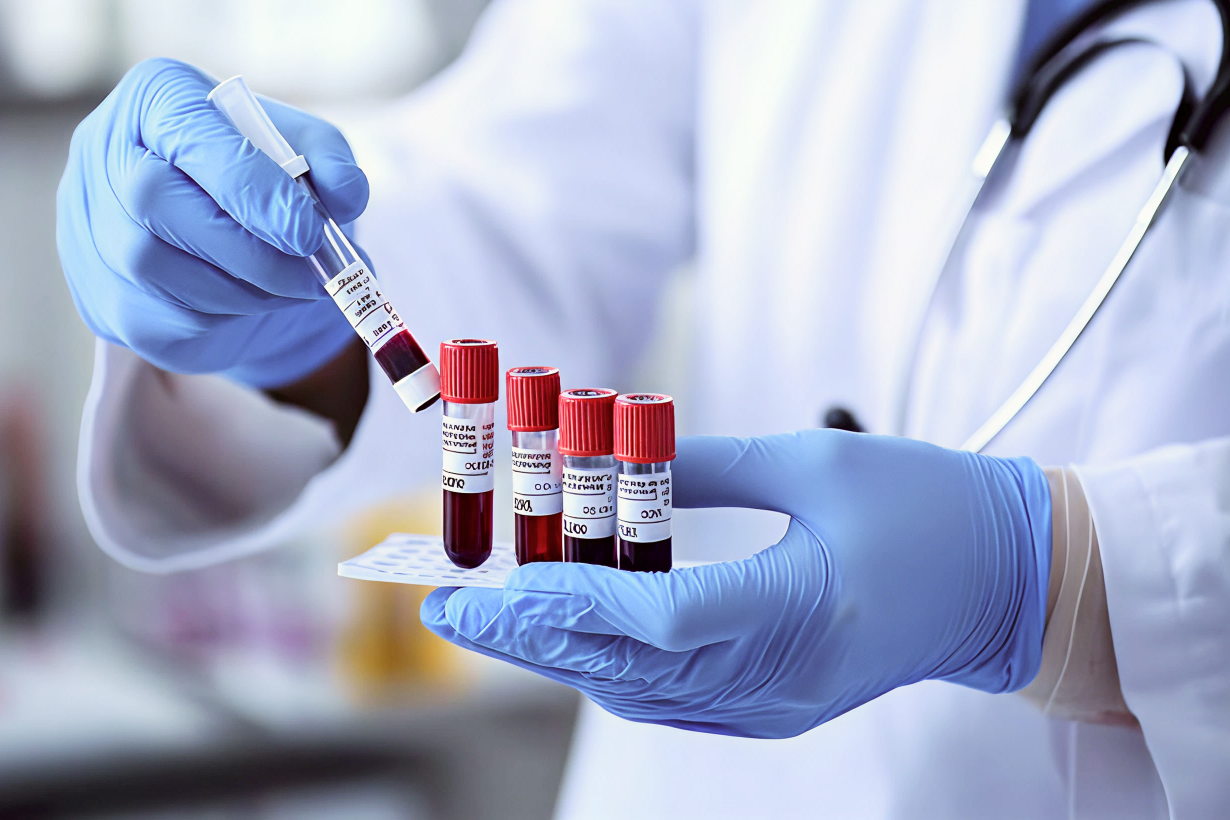
The C-Reactive Protein (CRP) test is a simple blood test used to measure the level of CRP—a protein produced by the liver when there is inflammation in the body. Under normal circumstances, CRP levels remain low. However, they increase quickly in response to infections, injuries, or chronic inflammatory conditions.
Healthcare providers rely on this test to detect inflammation early, track disease progression, and assess how well treatments are working.
Why Is This Test Recommended?
You may be advised to undergo a CRP test to:
Check for bacterial or viral infections
Detect autoimmune disorders such as rheumatoid arthritis or lupus
Evaluate inflammation caused by injuries, burns, or long-term illnesses
Monitor ongoing inflammatory conditions like IBD, PID, or arthritis
Assess unexplained symptoms such as fever, swelling, fatigue, or joint pain
Understanding C-Reactive Protein (CRP)
CRP acts as the body’s early alarm system for inflammation. In healthy individuals, CRP levels remain below 10 mg/L. When inflammation or infection develops, CRP rises within hours—sometimes dramatically.
The CRP test indicates whether inflammation is present, but not where it originates. Because CRP levels drop quickly as inflammation settles, it is also useful for monitoring how well a treatment is working.
Doctors may recommend this test if you experience symptoms like fever, redness, swelling, fatigue, pain, nausea, or rapid breathing. It is also helpful for managing chronic inflammatory diseases or monitoring recovery after surgeries.
Symptoms or Conditions That May Require a CRP Test
You may need this test if you have:
Persistent fever or chills
Fatigue or general weakness
Swollen or painful joints
Unintentional weight loss
Signs of infection (nausea, vomiting, rapid heartbeat)
Symptoms of autoimmune disease
Chronic inflammatory disorders (IBD, PID)
Need for monitoring during treatment
Why do I need a CRP test?
A CRP test may be advised when:
You show symptoms of infection or inflammation
You have a diagnosed autoimmune or inflammatory illness
A flare-up of a chronic condition is suspected
Your doctor needs to track treatment effectiveness
You need a heart-related risk assessment using hs-CRP
How Do I Prepare for the CRP Test?
No fasting is required.
Continue your normal food and water intake.
Inform your doctor if you:
Are taking NSAIDs, steroids, or statins
Had a recent illness, injury, or surgery
Are you pregnant or using hormonal medication
Avoid strenuous exercise or intense stress before the test, as they may temporarily increase CRP levels.
How Is the C-Reactive Protein (CRP) Test Performed?
The test involves a simple blood draw:
Your arm is positioned comfortably.
A tourniquet is applied to identify the vein.
The area is cleaned with an antiseptic.
A needle is inserted to collect blood.
A small bandage is applied afterward.
The entire process takes only a few minutes.
What Happens After the Test?
You can resume daily activities immediately.
Mild soreness or bruising may appear but usually fades quickly.
Your blood sample is analyzed to determine CRP levels.
When Should I Consult a Doctor After the Test?
Seek medical advice if:
Your CRP level is elevated
Symptoms suggest infection or inflammation
CRP levels continue rising
You develop new or worsening symptoms
Risks Associated With the CRP Test
The test is very safe. Rare side effects include:
Minor bruising
Slight soreness
Lightheadedness (for those sensitive to needles)
Very rare risk of infection at the needle site
Inform the technician if you are on blood thinners or have bleeding disorders.
Lifestyle Tips to Help Manage CRP Levels
Stay hydrated
Consume a nutrient-rich, anti-inflammatory diet
Engage in regular moderate exercise
Sleep adequately
Review results with your doctor
Take supplements like omega-3 only with medical guidance
What Does the CRP Test Measure?
The CRP test measures the amount of CRP in your blood, which increases due to:
Infections
Injuries
Autoimmune diseases
Chronic inflammatory disorders
It helps identify inflammation severity and monitor treatment response.
The hs-CRP variant helps assess heart disease risk.
What Do the Results Mean?
Normal CRP (Below 10 mg/L)
Suggests minimal or no inflammation
Indicates a low probability of infection or active disease
Elevated CRP
May be associated with:
Acute infections
Autoimmune or inflammatory diseases
Increased cardiovascular risk (with hs-CRP)
Tissue injury
Post-surgical inflammation
Chronic conditions
Very High CRP
Often suggests a significant bacterial infection or severe inflammation.
What Should I Do If My CRP Levels Are High?
Speak with your doctor for an accurate interpretation
Follow lifestyle changes recommended for reducing inflammation
Take prescribed medications regularly
Repeat the test if advised
Maintain ongoing follow-ups for chronic issues
Can CRP Results Be Influenced by Other Factors?
Yes. CRP levels can change due to:
Recent infections
Heavy exercise
Certain medications
Hormonal changes
Lab-to-lab variations
Doctors interpret CRP along with other tests and symptoms.
Factors That May Affect CRP Levels
NSAIDs, steroids, statins
Recent illness or surgery
Autoimmune disorders
Obesity or metabolic syndrome
Smoking
Stress or sleep issues
Pregnancy
Hormonal medications
Advancing age
CRP Test vs Other Tests
CRP Test: Detects overall inflammation
hs-CRP: Assesses heart disease risk
ESR: Measures long-standing inflammation
Autoimmune Panel: Detects specific immune-related diseases
CBC / LFT / KFT: Assesses infection and organ health
Frequently Asked Questions (FAQs)
1. What does the CRP test check for?
It measures CRP levels in your blood to detect inflammation or infection.
2. When is a CRP test usually recommended?
It is advised to monitor symptoms that suggest infection, autoimmune issues, or inflammation, or to monitor treatment progress.
3. Is fasting needed before the CRP test?
No fasting is required.
4. Can medications affect CRP levels?
Yes. Drugs like NSAIDs, steroids, or statins may alter CRP levels. Inform your doctor beforehand.
5. How is the CRP test performed?
A small blood sample is taken from a vein in your arm. It is quick and safe.
6. Can CRP pinpoint the exact cause of inflammation?
No. It only indicates the presence of inflammation, not its source.
7. How often should the CRP test be repeated?
Frequency depends on your condition and your doctor’s advice.
8. What can I do to naturally reduce CRP levels?
Follow an anti-inflammatory diet, stay active, manage stress, sleep well, and avoid smoking.
9. Can CRP help assess heart disease risk?
Yes. The high-sensitivity CRP (hs-CRP) test is used to evaluate cardiovascular risk.
10. What is the cost of a CRP test?
Prices vary by lab and location. Check with your local diagnostic provider for exact charges.
11. Where can I book a CRP test?
You can schedule the test at any nearby diagnostic laboratory or through home-sample collection services available in your area.