






Understanding The Antistreptolysin O (ASO) Titre
The Antistreptolysin O (ASO) Titre is a blood test used to detect a recent infection by Group A Streptococcus bacteria. Unlike a throat culture, which diagnoses an active strep throat infection while it is happening, the ASO Titre looks for the aftermath. It measures antibodies the body produces against "Streptolysin O," a toxic enzyme released by the bacteria. This test is primarily ordered when a patient presents with symptoms of complications that occur weeks after a strep infection—specifically Rheumatic Fever (which affects the heart and joints) or Post-Streptococcal Glomerulonephritis (a kidney disease). It is a vital tool for connecting current unexplained symptoms (like joint pain or kidney issues) to a past, perhaps untreated, strep infection.
Components Measured:
The test focuses on a specific immune marker:
Antistreptolysin O Antibodies: These are proteins created by the immune system to neutralize the toxins produced by Group A Strep bacteria.
Titre Level: The test measures the amount (titre) of these antibodies in the blood. A higher number indicates a stronger immune response, suggesting a recent or severe infection. The antibodies typically appear 1 to 3 weeks after the initial infection, peak around 3 to 5 weeks, and then gradually decline over months.
Preparation:
Preparation for an ASO Titre is simple and generally requires no special changes to your routine.
Fasting: Fasting is usually not required. You can eat and drink normally before the test.
Medications: Inform your doctor about any medications you are taking, particularly corticosteroids or antibiotics, as these can suppress the immune system and potentially lower antibody levels, leading to a false-negative result.
Recent Illness: Let the doctor know if you have had a sore throat or skin infection in the last few months, even if it seemed mild.
Procedure:
The test is a standard venous blood draw that takes only a few minutes:
A healthcare professional selects a vein, typically in the inner elbow.
The area is cleaned with an antiseptic to prevent infection.
An elastic band (tourniquet) is tied around the arm to swell the veins with blood.
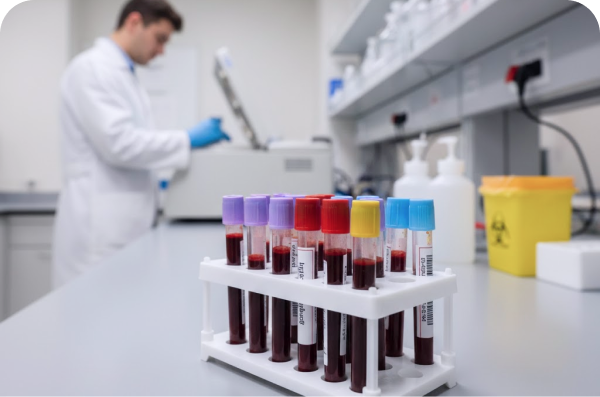
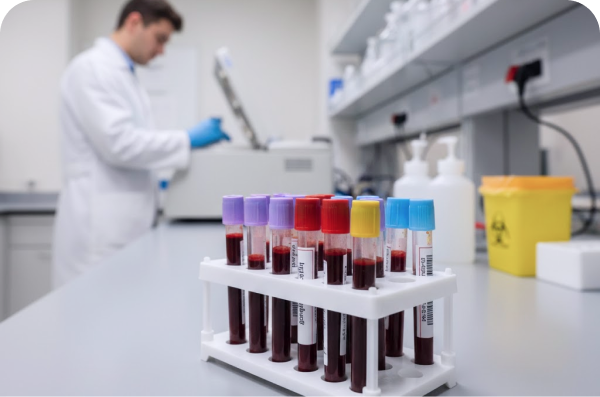
A needle is inserted, and a small amount of blood is collected into a tube.
The needle is removed, and a cotton ball or bandage is applied to the site.
The sample is sent to a laboratory where it is tested for the reaction between your serum and the streptolysin antigen.
Risks:
The risks associated with an ASO Titre test are minimal:
Bruising: Minor bruising at the needle site is common but harmless.
Pain: A slight pinch during needle insertion and mild soreness afterward.
Infection: Extremely rare risk of infection at the puncture site.
Fainting: Some patients may feel lightheaded during the blood draw.
Normal Ranges:
Results are measured in International Units per milliliter (IU/mL). Reference ranges can vary slightly between laboratories, but general guidelines are:
Adults: A test is usually considered negative (normal) if the level is below 200 IU/mL.
Children (School-aged): Because children are exposed to strep bacteria more frequently, their "normal" baseline is higher. A level below 400 IU/mL is often considered normal for children (especially ages 5–15).
Infants/Toddlers: Levels are typically very low, similar to adults, as they have had less exposure.
Interpretation:
A doctor interprets ASO results in conjunction with physical symptoms. A single test result is often not enough to confirm a diagnosis; doctors look for patterns.
Negative (Low) Titre: Indicates you likely have not had a strep infection recently. However, if symptoms are strong, the doctor may repeat the test in 10 days to see if levels rise (seroconversion).
Elevated or Rising Titre: This is clinically significant.
Rheumatic Fever: High ASO combined with joint swelling, fever, or heart murmurs suggests Rheumatic Fever.
Glomerulonephritis: High ASO combined with blood in urine, swelling (edema), or high blood pressure suggests post-streptococcal kidney inflammation.
False Positives/Negatives: ASO levels might not rise if the infection was on the skin (impetigo) rather than the throat, or if antibiotics were taken early. Conversely, levels can remain elevated for months after an infection has cleared, so a high number doesn't always mean the disease is currently active—it just means it was there.